Marketing
Redefining the green in green energy
“Sustainability” no longer carries the same spark and brand value it once did. Messaging fatigue, cultural shifts, and evolving public sentiment mean that renewable energy conversations that lead with environmental benefits often fall flat today. Recent policy changes, including rollbacks of some Inflation Reduction Act (IRA) incentives under the One Big Beautiful Bill (OBBB), are also challenging the renewable energy industry to find new ways to demonstrate value in today’s evolving political and economic climate. This responsibility falls to marketing and Marcom teams, who must focus on showcasing renewable energy’s broader intrinsic values — from economic resilience to innovation — giving buyers more reasons to commit.
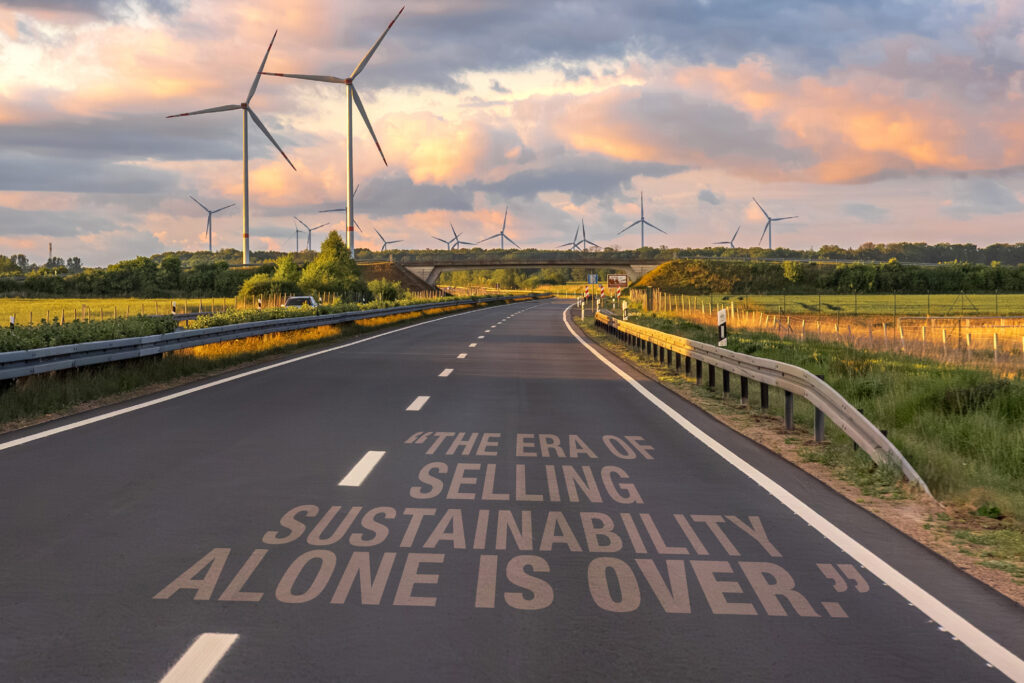
Simply put, it’s time to rebrand and expand the renewable energy value proposition. Here are five compelling ways marketers can reframe the renewable energy narrative to show audiences why there’s more to renewables than just sustainability.
1. Affordability — Renewables Lower Energy Bills
Renewable energy is one of the cheapest ways to generate power. Studies show that utility-scale solar and onshore wind are the most cost-effective options for new energy generation, even without IRA subsidies. Battery storage, critical for addressing renewable intermittency, is also rapidly becoming competitive. Lower upfront and operational costs mean utilities can produce electricity more cheaply, passing those savings on to consumers. Plus, renewables have minimal fuel costs, reducing price volatility and stabilizing long-term electricity prices for households and businesses alike.
2. Speed — Renewable Generation is Faster to Deploy
U.S. energy demand has been steady for decades, but it is expected to rise sharply—by 25% by 2030 and 78% by 2050 — driven by data centers, electric vehicles, and domestic manufacturing growth. Meeting this surge with traditional generation is challenging. While small modular reactors (SMRs) provide efficient and cost-effective nuclear options for hyper-scale data centers and utilities, the plants can take 6 to 10 years to build. Gas turbines face backlogs of up to 7 years. In contrast, solar and wind installations can come online in months to a few years, often at a fraction of the cost. This speed and affordability make renewables essential to meeting growing energy needs.
3. Freedom — Renewables Support Energy Independence
Local solar, wind, and storage reduce reliance on foreign oil and gas and the volatile global supply chains tied to fossil fuels. Despite recent policy shifts favoring oil and gas for “energy independence,” renewables and storage can provide stable, resilient, and self-sufficient energy. Many businesses now view green energy as a strategic investment that protects their interests.
4. Growth — Renewables Create Jobs and Boost Local Economies
The renewable energy sector drives high-paying, high-tech jobs across the U.S. The solar and wind industries employ hundreds of thousands of manufacturing, construction, and skilled trade workers nationwide.
Green energy also fuels long-term economic growth and community resilience. For example, Arevon, a leading U.S. renewable developer, reports that its solar and energy storage projects contribute nearly $3 billion annually to local communities through tax revenues and landowner lease payments, demonstrating clear, tangible economic benefits.
5. Innovative — Renewables represent the best of American innovation
Maintaining leadership in renewable technologies is crucial for U.S. competitiveness in the global energy market. The National Renewable Energy Laboratory (NREL) is pioneering high-efficiency solar cells that could boost energy output by more than 30%. Meanwhile, companies such as ESS Inc. are advancing long-duration storage to ensure reliable power over hours or days.
Innovations such as virtual power plants, which aggregate distributed solar and storage assets to provide grid services and cost savings for utilities and consumers, are gaining traction with companies like Tesla.
These breakthroughs position the U.S. to lead a competitive energy market that drives economic growth and energy reliability.
Final Thoughts
The era of selling sustainability alone is over. Marketing and Marcom teams must seize the opportunity to tell a broader, more compelling story — one that showcases speed, savings, independence, growth, and innovation. By selling the full spectrum of renewable energy benefits, you can engage broader audiences, build stronger support, and redefine what “green” means in today’s energy landscape.
Written by Vertical contributing writer Kathy Hitchens, an award-winning and Emmy-nominated storyteller who focuses on renewable energy, electric vehicles and travel.